Field Notes · 8 min read
What to Wear for an Active Day in Pakistan: A Practical Layering Guide
An active day in Pakistan can move between heat, shade, air conditioning, wind and a cooler evening. The answer is rarely one heavy garment. A small layering system lets you adjust without carrying an entire second outfit.
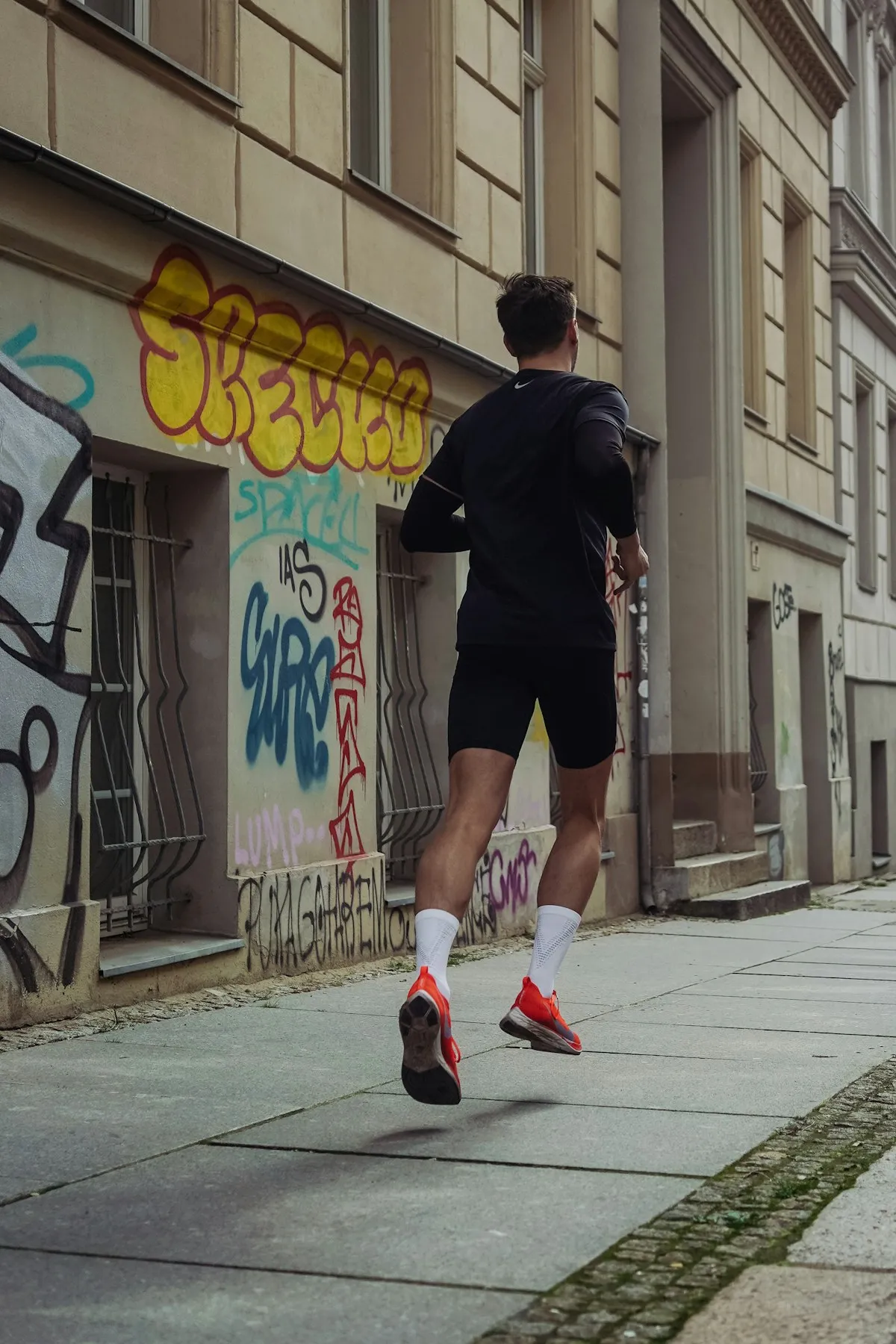
Think in jobs, not just garments
A simple system has three possible jobs. The first layer sits closest to you and supports comfort during movement. A middle layer adds warmth when needed. An outer layer helps with exposed conditions. You may not need all three every day.
Choose each piece because it solves a likely problem. If the forecast is warm and the route is urban, a comfortable top and packable outer layer may be enough. A cool start or longer outdoor plan can make a midlayer more useful.
Build from the activity level
The more intensely you expect to move, the faster you may feel warm. Begin slightly cooler rather than dressing only for the first minute outside. Add or remove a layer before discomfort becomes the reason you stop.
A travel day works differently from a run or hike. Long periods of sitting may call for soft, unrestricted pieces, while repeated movement places more emphasis on range, breathability and easy adjustment.
Hot weather still needs planning
During hotter conditions, prioritise shade, appropriate timing, hydration and clothing that feels comfortable for the activity. A light layer can still be useful for strong sun, wind, dusty routes or heavily air-conditioned indoor spaces, depending on its design and care guidance.
Do not rely on clothing alone for heat safety. Check conditions, adjust effort and follow appropriate health guidance, particularly during severe heat. A fashion decision should never override how your body feels.
Use midlayers for cool transitions
Cool mornings, elevated areas and winter evenings can make a midlayer the most adaptable part of the system. It should sit comfortably over your first layer and beneath an outer piece without restricting the shoulders.
Remove it when activity increases rather than waiting until you are overheated. If you are carrying it for much of the day, consider whether its bulk suits your bag and routine.
Keep the outer layer purposeful
An outer layer earns its place when conditions are exposed or changeable. Check the specific product information before assuming protection from rain, wind or cold; different garments are designed for different levels and types of use.
Fit it over the layers you plan to wear. Test reaching and walking in the complete combination and make sure the sleeves, hem and closures remain comfortable.
Pack for your city and route
Karachi’s coastal conditions, Islamabad’s cooler stretches and seasonal changes elsewhere do not call for one universal formula. Look at the day’s forecast, time outdoors, transport and access to shelter before deciding what to carry.
A useful system might be a training top, active trouser and one removable layer. For cooler or more exposed plans, add a midlayer and appropriate outer piece. The aim is not to wear everything—it is to have the right adjustment available.
A repeatable pre-departure check
Ask four questions: How warm will it become? How hard will I move? How long will I be outside? Where can I store a removed layer? Those answers usually reveal more than copying a complete outfit from somebody in a different climate.
Performance Heritage is built around movement that crosses settings. Dress for the real route ahead, keep the system adaptable and let each layer do a clear job.