Fit & Movement · 7 min read
How Should Activewear Fit? A Practical Guide to Tops, Trousers and Layers
Activewear has a difficult job. It needs to give you room to move without feeling shapeless, sit comfortably for hours and still look considered when the training session becomes the rest of your day. The size label alone cannot tell you whether it does all three.
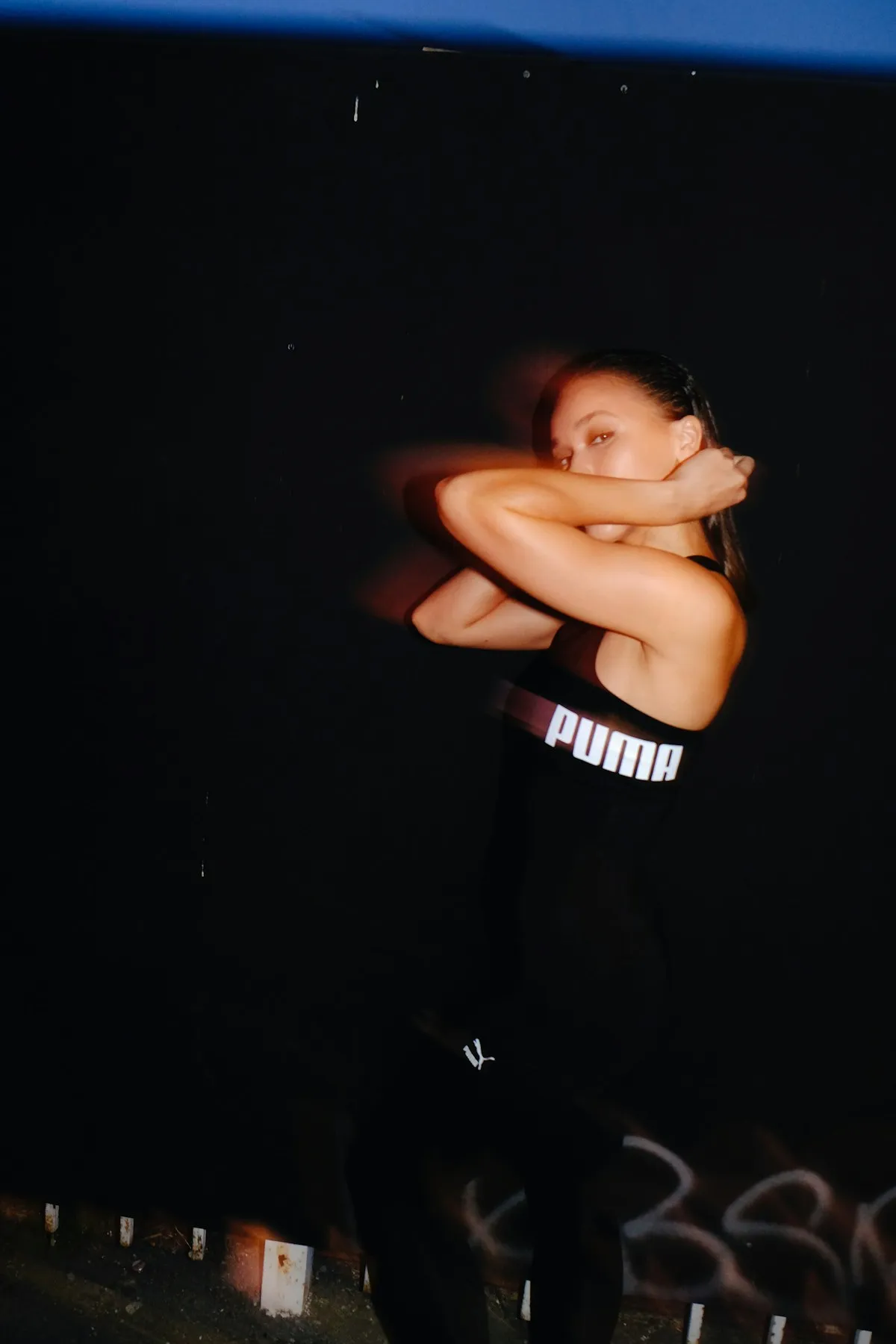
Start with movement, not the mirror
A garment can look right while you stand still and become uncomfortable the moment you reach, bend or take a long stride. Try the movements you actually expect to make. Raise your arms, rotate your shoulders, sit down and walk around. Fabric should not pull sharply across the back, chest, seat or knees.
Extra room is useful only when it is placed well. Too much loose fabric around a moving joint can feel distracting, while a close fit that restricts your natural range is equally unhelpful. The goal is controlled ease: enough space for the body to work without the garment taking over.
How an active top should sit
Begin at the shoulders and upper back. A standard-cut top will usually place its shoulder seam near the edge of your shoulder, although a deliberately relaxed design may place it lower. Across the chest, look for a smooth fall rather than strong horizontal lines or a neckline being pulled out of shape.
Lift both arms. The hem may rise a little, but it should not climb so far that you spend the day pulling it back into place. Sleeves should let your arms swing freely. If you intend to wear the top beneath a layer, check that the two pieces move together without bunching.
Finding the right trouser fit
Active trousers should remain comfortable through the waist, seat, thighs and knees. Sit, squat gently and take a longer step than usual. A waistband that rolls, digs in or slides down is a warning; so is fabric pulling hard across the front of the thighs.
Length affects both movement and appearance. A clean break near the ankle tends to feel streamlined, while excessive fabric can gather around footwear. Your preferred silhouette matters, but the trouser should never require constant adjustment during an ordinary day.
Allow layers to work together
A midlayer needs enough room for a light base beneath it, yet it should still sit comfortably under an outer layer. When trying a combination, move in the complete outfit. Tightness may come from the layers interacting rather than from one garment on its own.
Outer layers usually need a little more ease across the shoulders and torso. That does not mean sizing up automatically. Check the intended cut and compare measurements before changing size, because an unnecessarily large shell can feel cumbersome and leave sleeves or hems in the wrong place.
Use a garment you already trust
Size names are not universal. A more reliable approach is to measure a similar garment that already fits you well. Lay it flat without stretching it, record the relevant chest, waist, hip, inseam or length measurements, and compare them with the product size information.
Measure the garment rather than your body unless the size guide specifically asks for body measurements. The two systems are different because garment measurements normally include wearing ease. If you are between sizes, decide whether your priority is a closer outline, extra movement room or space for layering.
Fit should support the day ahead
The best fit for a run may not be the fit you prefer for travel, and a layer intended for cool starts may sit differently from a top worn alone. Start with the garment’s purpose, then judge comfort, movement and proportion together.
Performance Heritage designs for movement across training, travel and everyday settings. Use the size guide as a starting point, compare it with a piece you know, and choose the fit that lets you move through your actual routine with confidence.