Wear & Style · 7 min read
From Training to Everyday: How to Style Activewear Beyond the Workout
Activewear no longer belongs to one hour of the day. The useful pieces are the ones you can train in, travel in and keep wearing when plans change. Making that transition look intentional is less about adding more clothes and more about balancing shape, colour and context.
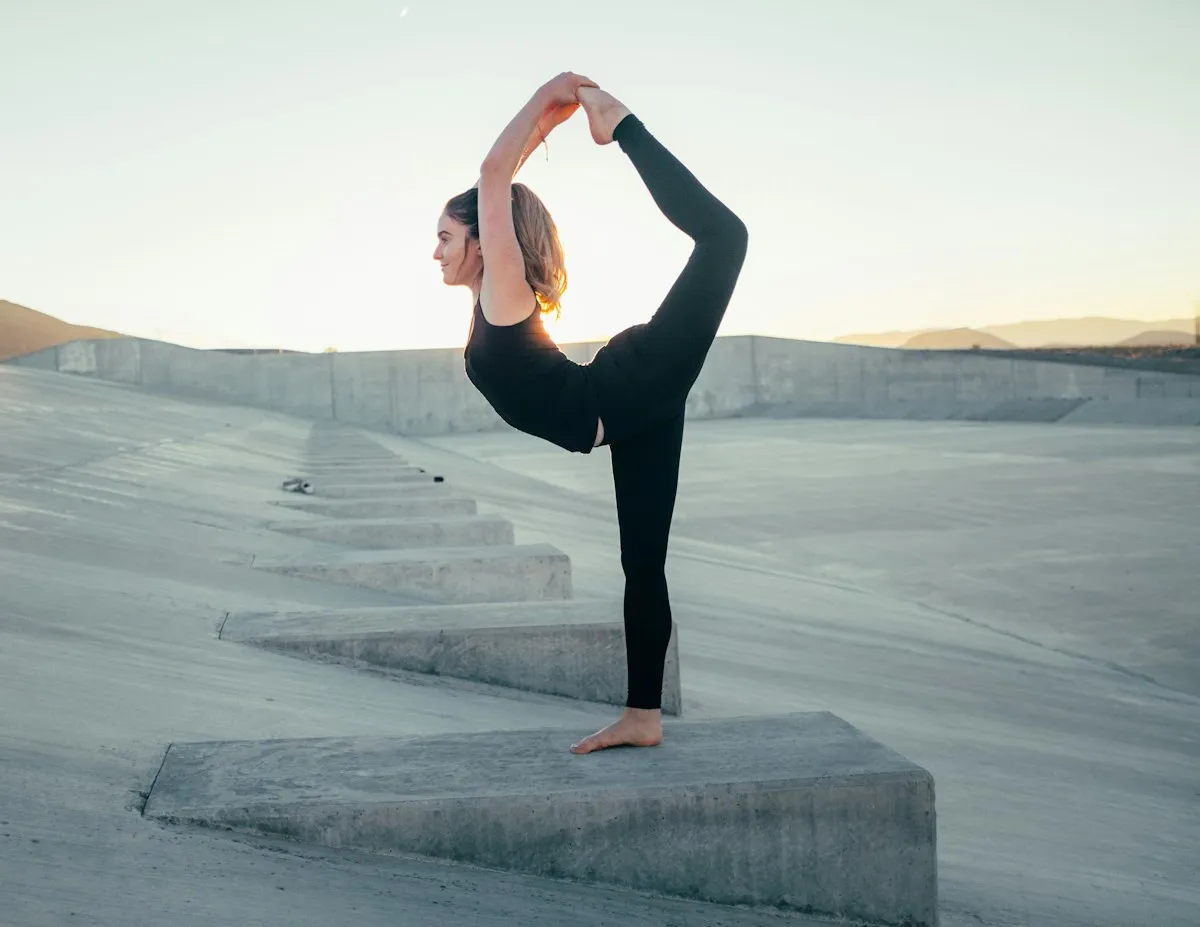
Let one piece set the direction
An outfit becomes easier when one item does the visual work. A streamlined active trouser can be the foundation, with a simple training top and understated footwear completing the look. If the top has a more athletic shape, keep the remaining pieces quiet.
Trying to make every item a statement often produces a kit-like result. Start with one active element and build around it using familiar shapes. This keeps the outfit connected to everyday life rather than making it feel as though you forgot to change after training.
Balance close and relaxed proportions
If a top sits close to the body, a straight or gently relaxed trouser can create balance. A roomier outer layer also gives the outfit structure. With a looser training top, choose a trouser that keeps a clean line through the leg.
These are not strict body-type rules. They are simply ways to make the complete silhouette feel deliberate. Look at the outfit from shoulder to footwear rather than judging each garment separately.
Use a restrained colour palette
Two or three coordinated colours are usually enough. Charcoal, black, slate, navy and muted natural shades work easily across active and casual wardrobes. A tonal outfit can feel polished because small differences in texture and shade add depth without visual noise.
Colour can still have energy. If one layer is brighter, let it be the focal point and keep the rest calm. This makes it easier to repeat the same active pieces in different combinations.
Add a layer for context
A midlayer or lightweight outer piece changes the message of a training outfit. It adds structure for a coffee stop, a flight or an evening walk, and it can be removed when the day becomes more active.
Pay attention to lengths. The outer layer should work with the hem of the top and the rise of the trousers rather than cutting the outfit into awkward sections. An open layer creates a long vertical line; a zipped layer feels cleaner and more protected.
Choose footwear for the actual plan
Footwear can push activewear towards sport, travel or everyday casual style. Technical shoes make sense when movement is the priority. Clean, understated trainers soften the performance feel when the day is mostly social or urban.
The best choice is still the practical one. A visually perfect shoe that cannot handle the walking ahead does not improve the outfit. Style works when it supports the schedule.
Three combinations that travel well
For an active morning, pair a training top with streamlined trousers and the footwear you need for the session. Add a midlayer for the journey there and back. For a travel day, begin with comfortable trousers, a simple tee and an outer layer with enough ease to sit comfortably for hours.
For a relaxed weekend, use the same trousers with a clean top, quiet trainers and one considered layer. Repeating dependable pieces is not boring. It is how a wardrobe becomes recognisable, useful and genuinely yours.