Fitness Foundations · 8 min read
Starting Your Fitness Journey? What Actually Matters in Your First 30 Days
Deciding to get fit can feel strangely intimidating. Before you have even started, there seem to be a hundred decisions waiting: gym or home, running or weights, three days or six—and what are you supposed to wear? Your first month does not need to answer everything. It needs to give you a beginning you can repeat.
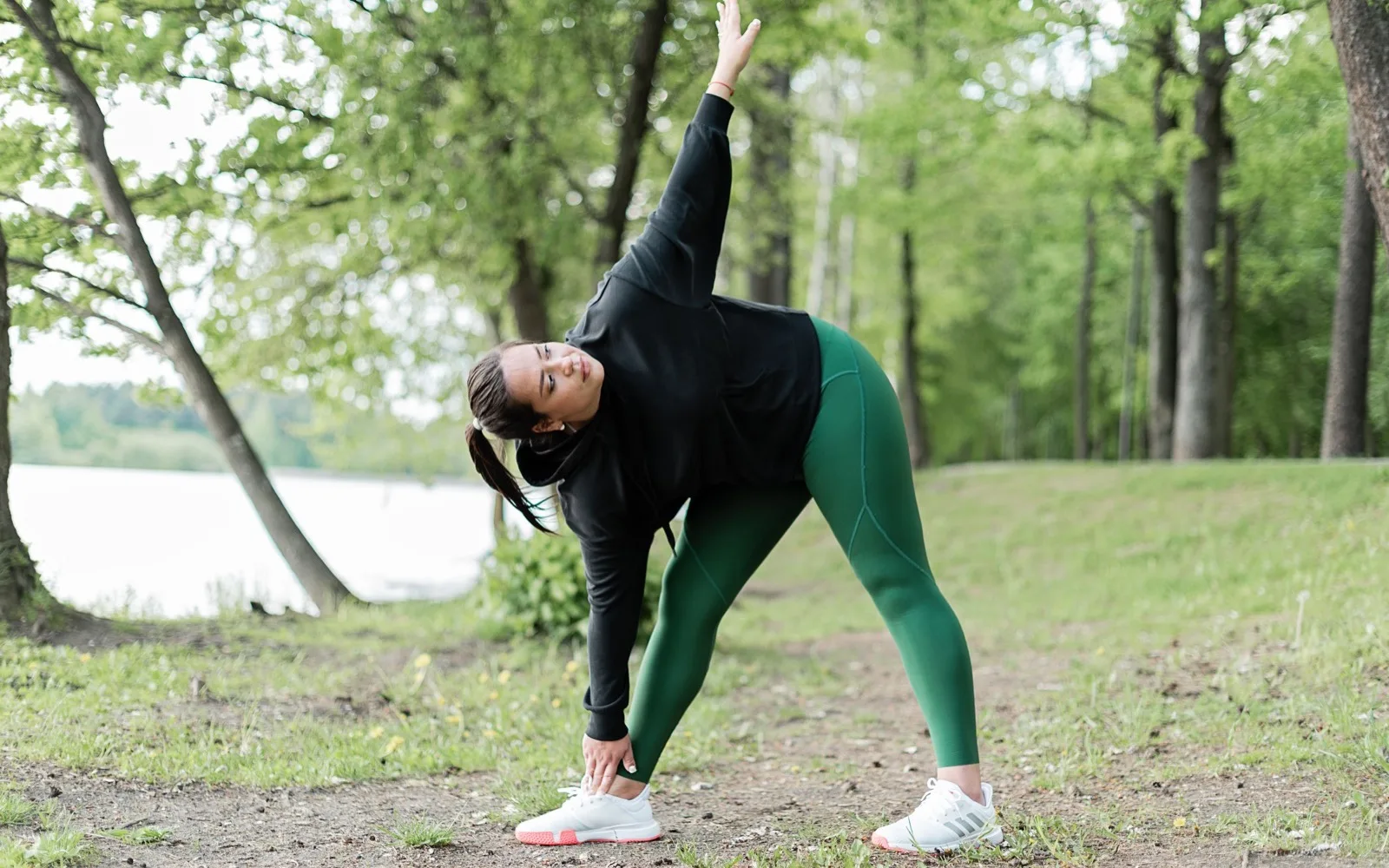
Week one: forget perfection and start moving
Social media can make everybody else look ten kilometres, two plates and a matching outfit ahead. Real beginnings are quieter. A brisk walk, a gentle cycling session, a beginner class or a few controlled strength movements all count.
Consider three manageable sessions in the first week rather than promising yourself daily exercise. You might walk for 20 minutes on Monday, practise a short beginner strength routine on Wednesday and choose another enjoyable activity at the weekend. Finish with the feeling that you could do it again—not that you never want to.
- Choose movement that suits your present ability.
- Leave recovery time between unfamiliar or demanding sessions.
- If you are returning after injury, managing a medical condition or unsure where to begin, seek appropriate professional guidance.
What to wear for your first workout
You do not need an expensive active wardrobe to begin. You do need clothes that let you concentrate on the session instead of a waistband sliding, a top pulling across your shoulders or fabric that needs constant adjustment.
Start with comfort, freedom of movement and suitability for the activity. Bend, reach, sit and raise your arms before leaving home. Running or equipment-based training may need a more secure fit than an easy walk. Choose footwear appropriate to the activity and conditions.
Fit matters more than the size printed on a label. Our activewear fit guide explains how to check tops, trousers and layers in more detail; for now, the simple test is whether you can move naturally without repeatedly fixing your clothes.
Week two: give movement a place in real life
The excitement of starting may fade during the second week. That does not mean you have lost your ability to continue. Motivation comes and goes; a realistic routine gives you something to return to when enthusiasm is quiet.
Choose times that work with the week you already have. Before work may suit one person, while an evening walk or a session after the school run suits another. Lay out your clothes, keep your walking shoes visible or pack your bag in advance. Small preparation removes small points of friction.
Week three: strength is not reserved for bodybuilders
The weights area can feel like a room where everybody received instructions except you. Strength work, however, is not only for experienced lifters. It can support everyday tasks and help maintain muscle as we age.
A suitable beginner session might include chair stands or controlled squats, wall or incline push-ups, glute bridges, a light resistance-band row and simple core-stability work. Technique matters more than the number on a weight. Start at a manageable level, recover between sessions that challenge the same muscles and ask a qualified trainer when a movement is unfamiliar.
Week four: notice progress beyond the scale
By week four, it is tempting to ask whether your appearance has changed. Body weight is only one possible measure, and often not the first useful sign of progress. Stairs may feel easier. You may recover your breath sooner, manage another controlled repetition or feel less nervous about beginning.
Track consistency, energy, strength and endurance alongside any body-composition goal. Rest, sleep, hydration and a balanced approach to food support an active routine too. The first month is about learning what your body and schedule can sustain.
Beginner mistakes worth avoiding
Most beginners do not struggle because they lack determination. Expectations become the problem: doing too much too soon, copying an advanced routine, buying everything before beginning or treating one missed day as failure.
Ordinary muscle soreness can follow unfamiliar exercise, but sharp pain, dizziness, chest discomfort or unusual breathlessness should not be pushed through. Stop exercising and seek appropriate medical advice; urgent or severe symptoms require prompt medical attention.
Confidence is part of fitness too
Some people enjoy fitted training clothes and bright colours. Others prefer a relaxed silhouette, more coverage or a quieter look. Neither is more committed. Choose clothes that leave you comfortable enough to focus on your own movement rather than everybody else in the room.
Performance Heritage approaches active clothing as part of the life you are already living—from planned training to an ordinary day with more movement in it. Your routine should work for you. Your clothing should as well.
Thirty days is a beginning, not a deadline
At the end of the month, you may not have a dramatic transformation photograph or a favourite workout. That is fine. If you have moved more regularly, learned what feels manageable and found a routine you can return to, you have made genuine progress.
Keep showing up, adjust when necessary and improve gradually. The best fitness routine is not the one that looks most impressive online. It is the one that still has a place in your life next month.
Frequently asked questions
- How many days a week should a beginner work out?
- Two or three manageable sessions can be a practical starting point, alongside comfortable daily movement. The right frequency depends on your health, present fitness, activity and recovery needs.
- Should a beginner start with cardio or strength training?
- Both can be useful. Walking, cycling and suitable beginner strength exercises can complement one another. Start at an appropriate intensity and build gradually.
- Do I need special workout clothes to get fit?
- No. Comfortable, activity-appropriate clothing and suitable footwear are enough to begin. Your preferences may become clearer as your routine develops.