Active Living · 10 min read
You Don’t Need to Live in the Gym to Be Fit: Small Daily Habits That Make a Difference
Somewhere along the way, staying fit became complicated. We started counting steps, calories, repetitions, kilometres and minutes. Tracking can be useful, but it can also hide a reassuring truth: movement still counts when you are not officially working out.
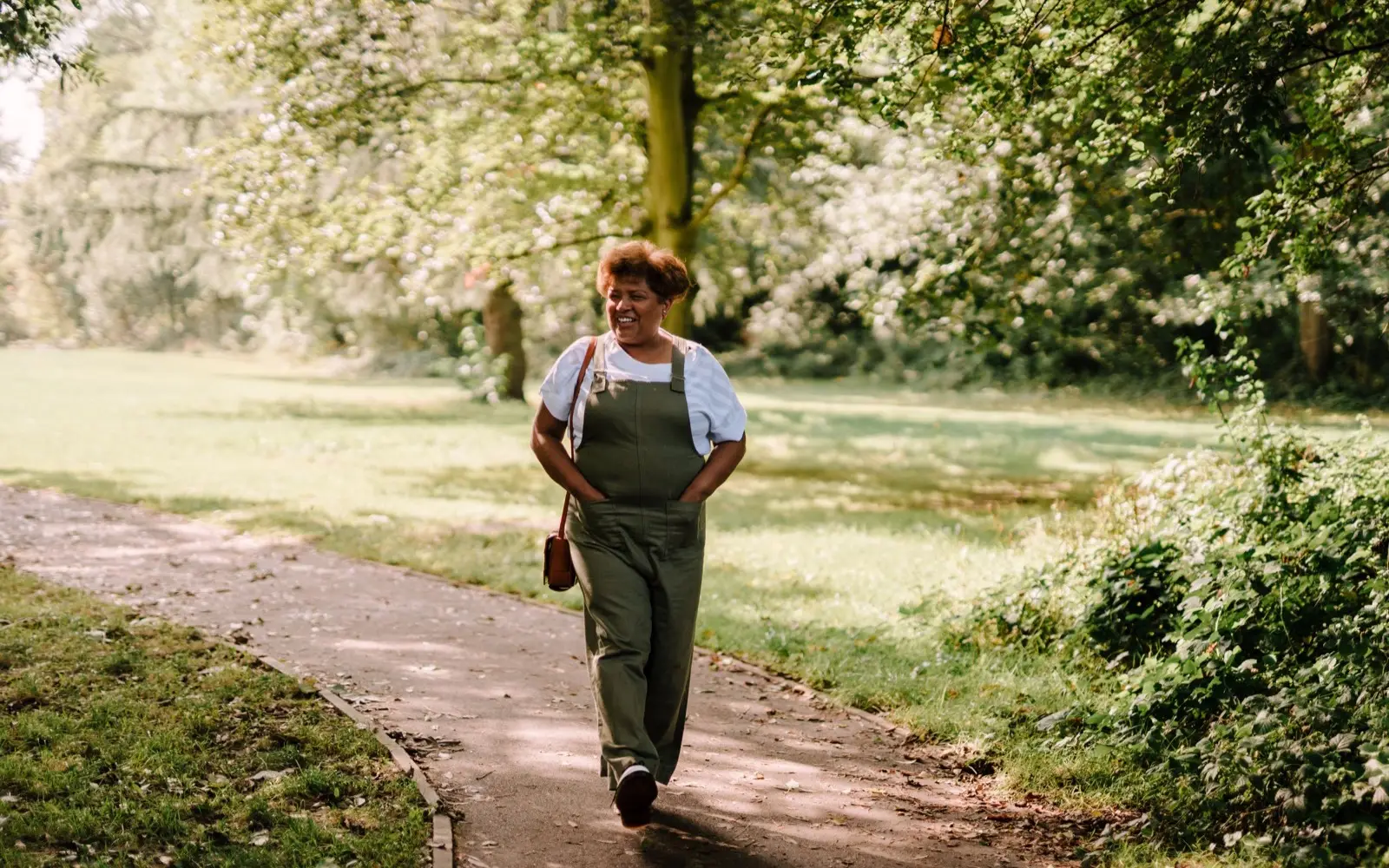
Fitness does not have to be all or nothing
Work, family, commuting and ordinary responsibilities can make a formal hour at the gym difficult. That does not turn the rest of the day into a lost cause. A walk after lunch, ten minutes of movement in the morning or a short strength session at home can all have a place.
For most adults, World Health Organization guidance recommends building towards 150–300 minutes of moderate aerobic activity a week, or 75–150 minutes of vigorous activity, plus muscle-strengthening activity on at least two days. Those amounts can be spread across the week, and individual needs and abilities vary. If you are currently inactive, begin at a manageable level and seek appropriate medical advice when health concerns affect exercise.
Walking deserves more credit
Walking is ordinary, which may be why it is easy to underestimate. It needs no membership and can fit around errands, a telephone call or the journey home. A gradually quicker pace can contribute to aerobic activity; for many adults, moderate intensity feels like faster breathing while conversation remains possible.
Suitable shoes, comfortable trousers or shorts and a top that fits the weather are enough to begin. Longer walks make socks, waistbands and areas of friction more important. The less your outfit distracts you, the easier it is to keep going.
Interrupt the hours spent sitting
Sedentary time can build almost unnoticed: breakfast, travel, a desk, the drive home and an evening screen. You do not need to turn every break into a workout. Stand periodically, walk to refill your water or take a few minutes between long tasks.
Attach movement to something already in the day. A short walk after lunch or a lap of the room after a meeting is easier to remember than a vague promise to move more. These moments do not replace every benefit of planned exercise, but they help movement become normal rather than exceptional.
Keep strength in the conversation
Aerobic fitness receives plenty of attention, yet strength supports everyday tasks such as carrying shopping, climbing stairs and lifting objects. Depending on your ability, chair stands, wall push-ups, controlled step-ups or resistance-band movements can provide a starting point.
Use suitable technique and resistance. Build gradually and allow recovery between demanding sessions. People with mobility limitations, joint concerns or medical conditions should choose exercises with appropriate professional guidance.
Stop waiting for the perfect week
A completely convenient time rarely arrives. If mornings are difficult, try an evening walk. If a long workout does not fit, choose a shorter activity. When the schedule changes, let the routine change with it rather than abandoning movement altogether.
It helps to keep a smaller version of your plan for low-motivation days. A short, comfortable walk may replace a longer one. Gentle movement may suit you better than the planned session—or rest may be exactly what you need. Flexibility is part of consistency, not evidence that you failed.
Dress for an active ordinary day
There is a practical connection between clothing and whether movement feels easy to add. Uncomfortable shoes or trousers that restrict your stride can make a lunchtime walk less likely. Clothing alone does not create a habit, but removing small obstacles can help.
A comfortable top, active trousers and a removable layer may work across a commute, errands and an informal walk without requiring a full outfit change. Choose for your preferences, climate and activity, and change out of heavily sweat-soaked clothing after a demanding session.
That idea sits naturally within Performance Heritage: movement is part of training, travel, outdoor time and ordinary life. Active clothing should leave room for all of it without pretending that every day is an intense workout.
Recovery is not time wasted
Challenging exercise places demands on muscles, joints and energy. Rest, sleep, hydration and an appropriately balanced diet support recovery. Gentle activity may feel good between harder sessions, but more is not automatically better.
Persistent exhaustion, declining performance, unusual pain or poor sleep may mean the routine needs adjustment. Pause and seek advice from an appropriate healthcare professional when symptoms persist, are severe or suggest illness or injury.
Choose a reason that belongs to you
Wanting to change your appearance is understandable, but it does not need to be the only reason to move. You may want to walk further without tiring, feel stronger during everyday tasks, enjoy an outdoor trip or have more energy for time with family.
Choose one practical goal for the next month: a regular after-work walk, two suitable strength sessions each week or fewer uninterrupted hours sitting. Make it specific enough to follow and realistic enough to survive a busy day.
Build fitness into the life you have
Lasting change is often quieter than a dramatic overhaul. You walk a little more. You become stronger. You notice which habits help and which are difficult to maintain. Gradually, being active becomes something you do rather than something you are always planning to start.
You do not have to build your whole life around fitness. Build movement into the life you already have, leave room for recovery and keep the routine flexible enough to continue.
Frequently asked questions
- Can I become fitter without joining a gym?
- Yes. Walking, cycling, suitable home strength exercises and many other physical activities can improve fitness. A gym is one option rather than a requirement.
- Does a short walk still count?
- Yes. Short walks add movement to the day and can contribute to your weekly activity. Build duration or pace gradually when that is appropriate for your health and ability.
- How can I move more with a busy schedule?
- Use short activities that fit existing routines: a walking break, active travel where practical or a brief planned session. Consistency across time matters more than making every session long.