Fabric & Performance · 13 min read
Why Your Workout Clothes Feel Wet, Sticky or Cold
Understanding breathable, moisture-wicking and quick-dry activewear
You have barely finished warming up, yet your T-shirt already feels damp. A few minutes later, the fabric starts clinging to your skin. You bought it because the label described it as breathable, so why does it feel so uncomfortable?
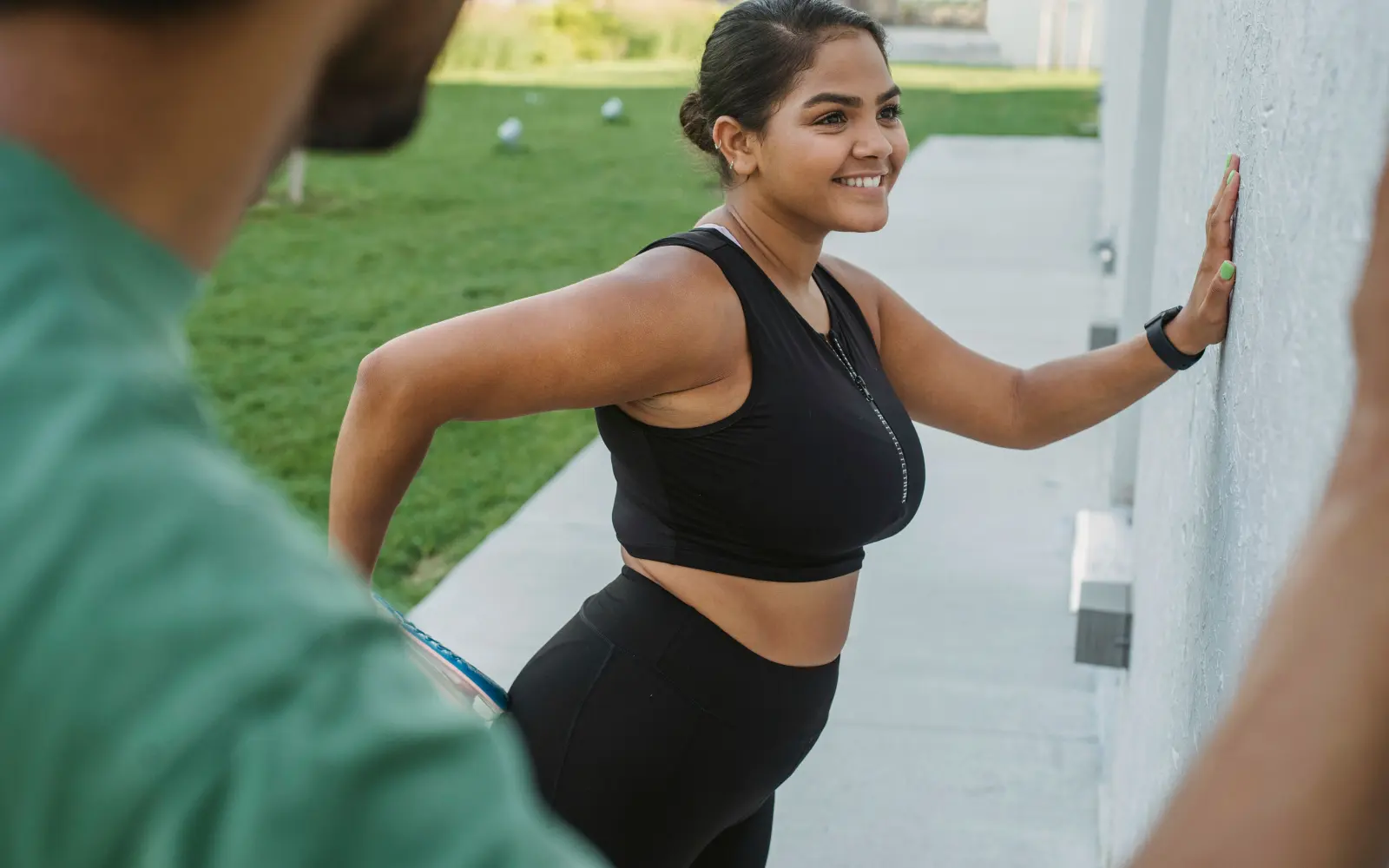
The answer often lies in how the fabric handles moisture, not simply how lightweight it feels.
Terms such as breathable, moisture-wicking and quick-drying appear on countless activewear labels. They sound similar, but they describe different properties. Understanding those differences can help you choose clothing that feels more comfortable during a workout, an evening walk or an ordinary busy day.
Why workout clothes sometimes feel uncomfortable
Sweating is a normal part of how your body regulates temperature. During exercise, your body produces heat, and perspiration helps cool your skin as it evaporates.
Your clothing can influence how comfortably that process happens.
When moisture collects in a fabric, the garment may become heavier, cling to your body or remain damp long after your workout. Some fabrics absorb a considerable amount of water, while others are designed to move moisture across their surface and release it more quickly.
Weather matters too. On a humid morning in Karachi, sweat may evaporate more slowly because the surrounding air already contains substantial moisture. During a cooler evening walk, the same damp shirt may begin to feel unpleasantly cold once you stop moving.
Choosing the right activewear therefore involves more than looking for a lightweight material. You need to consider moisture management, airflow, fit and the conditions in which you intend to wear it.
Breathable, moisture-wicking and quick-dry: what's the difference?
These three descriptions are often used together, but they are not interchangeable.
| Feature | What it means | Why it matters |
|---|---|---|
| Breathable | The fabric allows air or water vapour to pass through it | Helps heat and moisture escape |
| Moisture-wicking | The fabric moves liquid sweat away from your skin | Can reduce the feeling of sweat sitting against your body |
| Quick-drying | The fabric loses absorbed or retained moisture relatively quickly | Helps reduce the time your clothing stays damp |
A garment can perform well in one area without performing equally well in the others.
For example, a loose cotton T-shirt may allow plenty of airflow but remain damp after a sweaty run. A synthetic training top may dry relatively quickly while still feeling uncomfortable if its construction restricts ventilation.
The goal is not to find one magical fabric. It is to choose a garment whose properties suit your activity.
What does breathable activewear actually do?
Breathability describes how easily air or moisture vapour moves through a material.
In practical terms, a breathable garment can help excess heat and moisture escape rather than trapping everything close to your body.
But the fibre alone doesn't determine breathability.
A lightweight, open-knit polyester shirt may feel airy, while a tightly constructed polyester garment can feel less ventilated. The same principle applies to cotton and other materials.
The way a garment is made matters just as much as the material listed on its label.
Consider the difference between two shirts:
One has a dense fabric, thick seams and a close fit. The other uses a lighter construction, has room for movement and allows air to circulate more freely.
Even if both contain polyester, they may feel very different during a brisk walk.
What to look for: Lightweight construction, appropriate ventilation, comfortable movement and fabric that doesn't feel excessively dense for your activity.
How moisture-wicking fabrics work
Imagine spilling a few drops of water onto a piece of fabric.
On some materials, the moisture stays concentrated in one area. On others, it spreads through tiny spaces between fibres and yarns.
Moisture-wicking fabrics are designed to encourage this movement, helping transport perspiration away from the surface of your skin.
This process is commonly associated with capillary action: liquid travelling through very small spaces within the fabric.
Once the moisture has spread, it has a greater opportunity to evaporate, provided the surrounding conditions allow it.
That last point is important.
A moisture-wicking shirt cannot stop your body from sweating. Nor can it guarantee that you will remain dry during an intense workout.
If you are sweating faster than moisture can evaporate, the garment may still become saturated.
This is particularly relevant in hot, humid weather, when evaporation is naturally slower.
What to look for: Garments designed specifically for moisture management rather than assuming every synthetic or lightweight shirt will wick equally well.
Why quick-drying doesn't always mean comfortable
Quick-drying fabric releases moisture relatively rapidly after becoming wet.
This can be helpful when you are exercising, travelling or wearing clothes between different activities.
However, drying speed is only one part of comfort.
A garment might dry quickly once hung in a ventilated room but still feel sticky during exercise because of its fit, texture or poor airflow.
Conversely, a comfortable cotton T-shirt might feel pleasant throughout a gentle walk yet take much longer to dry after absorbing a significant amount of sweat.
This is why choosing activewear based on a single marketing claim can be misleading.
Think about the complete experience: how the fabric feels when dry, how it behaves when damp and how comfortably it moves with you.
Polyester, nylon, cotton or merino wool: which fabric should you choose?
There is no universally best material for every activity. Different fibres have useful strengths and limitations.
Polyester
Polyester is widely used in performance clothing because it generally absorbs relatively little moisture into the fibres and can dry quickly.
When engineered into a suitable fabric, it can offer effective moisture management for running, gym training and active everyday use.
However, not every polyester garment performs the same way. Fabric construction and finishing affect how it feels against your skin.
Nylon
Nylon is commonly selected for its strength, smooth feel and durability.
It appears in leggings, running shorts, fitted training garments and lightweight outdoor clothing.
Like polyester, it can be used in fast-drying performance fabrics, although the actual drying speed depends on construction and any additional fibres.
Cotton
Cotton is soft, familiar and comfortable for many everyday activities.
Its limitation during demanding exercise is that it can absorb and retain substantial moisture.
For a relaxed walk or low-intensity activity, cotton may be perfectly suitable. During a long, sweaty workout or in cooler outdoor conditions, however, a damp cotton garment can become heavy and uncomfortable.
Cotton isn't a bad fabric. It simply isn't the ideal choice for every situation.
Merino wool
Merino wool is valued in many outdoor garments for its moisture-management properties and comfort across different temperatures.
It can absorb moisture vapour within its fibres and may help manage odour during repeated wear.
However, wool garments vary considerably in thickness, softness, durability and drying performance. They may also require more careful washing.
What about blended fabrics?
Blends combine different fibres to achieve a particular balance of comfort, stretch, durability and moisture management.
A cotton-polyester blend, for example, may combine a softer feel with some benefits of synthetic fibres.
But a fabric's percentage composition cannot tell you everything about its performance.
The better question is not simply “What material is this?” but “How does this particular garment behave when I'm active?”
For a closer look at how fibre combinations affect everyday clothing, the cotton, polyester and blended T-shirt fabric guide from MP Apparels & Garments explains how material choices influence comfort, durability and garment construction.
Choosing activewear for Pakistan's changing conditions
One of the challenges of dressing for exercise in Pakistan is that conditions vary considerably between cities, seasons and times of day.
A garment that feels comfortable during a cool morning in Islamabad might feel excessively warm during an afternoon walk in Karachi.
For Karachi's heat and humidity
Prioritise lightweight fabrics, airflow and clothing that allows comfortable movement.
Moisture management is useful, but remember that even high-performance fabrics cannot eliminate the discomfort caused by very humid conditions.
Avoid assuming that a thicker garment will perform better simply because it carries a technical label.
For cooler mornings and evenings
Pay particular attention to how quickly your clothing dries.
During exercise, you may feel warm even when the surrounding air is cool. Once you slow down, damp fabric can make you feel chilled.
A suitable moisture-managing layer beneath an additional removable layer may offer more flexibility than one heavy garment.
For indoor gym sessions
Consider the intensity of your activity and the ventilation inside the gym.
A lightweight training top may suit cardio sessions, while a softer, slightly more substantial fabric may feel comfortable during lower-intensity strength work.
Fit is also important. Clothing should allow the movements involved in your particular workout without excessive pulling, bunching or friction.
When the weather changes throughout the day
Even if you are not planning a workout, moving between warm afternoons, cooler evenings and air-conditioned spaces can make clothing choices surprisingly difficult.
The same principles of fabric weight, airflow and adaptable layers apply to everyday dressing.
For practical clothing ideas beyond exercise, MPGEAR's guide to dressing for changing weather in Pakistan explores how to adjust everyday outfits as temperatures shift throughout the day.
Does tight or loose activewear handle sweat better?
Neither is automatically better.
A comfortably close-fitting garment can help maintain contact between your skin and a moisture-wicking fabric. This may support the movement of sweat into the material.
But a garment that is too tight can restrict movement, create uncomfortable pressure or increase friction.
Looser clothing may allow more airflow and feel less restrictive, particularly during outdoor exercise in warm conditions.
Yet a very loose garment may also bunch up or move excessively during certain activities.
The ideal fit depends on the design of the clothing, the activity and your personal comfort.
Rather than choosing solely by size or silhouette, consider how the garment behaves when you raise your arms, bend, stretch or walk briskly.
Five things to check before buying workout clothes
Before making your next purchase, consider the following:
- Read beyond the headline claim. “Performance fabric” tells you very little on its own. Look for more specific information about the garment's material and construction.
- Consider your activity. A shirt for occasional walking doesn't necessarily need the same features as one intended for long-distance running.
- Pay attention to weight and texture. A fabric that feels pleasant for a few seconds in a shop may behave differently after twenty minutes of exercise.
- Check the fit in motion. Stretch, bend and move your arms to see whether the garment pulls, rubs or restricts you.
- Think about the weather. Breathability and drying performance become particularly important when conditions are hot, humid or cool enough for damp clothing to feel uncomfortable.
No single label can replace considering these factors together.
Frequently asked questions
- Why does my polyester gym shirt still feel sweaty?
- Polyester doesn't automatically guarantee good moisture management. The fabric's construction, finishing, thickness and fit all influence comfort. Heavy sweating or humid conditions can also leave a performance shirt feeling saturated.
- Is breathable the same as moisture-wicking?
- No. Breathability concerns air and moisture-vapour movement, while moisture-wicking describes how a fabric transports liquid sweat. A well-designed activewear garment may provide both properties.
- Is quick-dry fabric better than cotton for exercise?
- For demanding, sweat-intensive activities, many purpose-designed quick-drying fabrics are more suitable because they tend to retain less moisture. For gentle exercise or everyday wear, cotton may still be comfortable and appropriate.
- Why do my clothes feel cold after a workout?
- Sweat left on your skin or in your clothing can cool you as it evaporates, particularly when you stop generating as much body heat. Wearing appropriate moisture-managing layers and changing out of damp clothes can help maintain comfort.
- Do more expensive workout clothes always perform better?
- Not necessarily. Price alone does not establish breathability, wicking performance or drying speed. Construction, materials, fit and suitability for your activity are more useful considerations.
- Should workout clothes fit tightly to wick sweat?
- Not always. Some moisture-wicking garments work best with comfortable contact against the skin, but overly tight clothing can be restrictive. Choose a fit appropriate to the activity and garment design.
The right activewear should work with your routine
Comfortable activewear does not have to be complicated.
You don't need to memorise technical fabric terminology or choose the most expensive option. You simply need to understand what your clothing is expected to do.
If you frequently finish workouts with a damp, uncomfortable shirt, look more closely at moisture management and drying performance. If you overheat during ordinary walks, consider ventilation, fabric weight and fit.
And if a garment feels good throughout your activity, that matters more than the number of performance claims printed on its label.
At Performance Heritage, we believe clothing should support movement without demanding unnecessary attention. Understanding the materials behind activewear is one practical way to make more confident choices — whatever your pace, routine or destination.