Workout Clothing · 9 min read
Walking, Running or Lifting Weights? What You Wear Should Change With Your Workout
You would not wear a winter coat for a summer walk, and loose, trailing trousers are hardly the first choice for a cycling session. Yet workout clothes are often whatever happens to be clean and closest to the wardrobe door. Sometimes that works. Other times, ten minutes of movement reveals exactly why it does not.
Why workout clothing changes with the activity
Clothing does not make you stronger or faster by itself. It can reduce distractions. A secure waistband, enough room to reach and fabric suited to the conditions allow you to pay attention to the session rather than keep rearranging your outfit.
The useful questions are straightforward: What movements will you repeat? How much are you likely to sweat? Will you be outdoors? Could loose details interfere with equipment? Personal comfort matters, but context matters with it.
Walking: comfortable and uncomplicated
For a brisk morning walk, a lightweight T-shirt or comfortable active top can be enough. Pair it with shorts, joggers or trousers that allow a natural stride. The waistband should feel secure without digging in, and the knees and hips should move freely.
Longer walks make small irritations more obvious. Socks, seams and waistbands that feel harmless for five minutes may rub later. Choose walking shoes with support and grip appropriate to your feet, route and conditions. In warmer weather, consider sun protection and timing; in cooler conditions, removable layers are easier to manage as your body warms.
Running: light, secure and ready for repetition
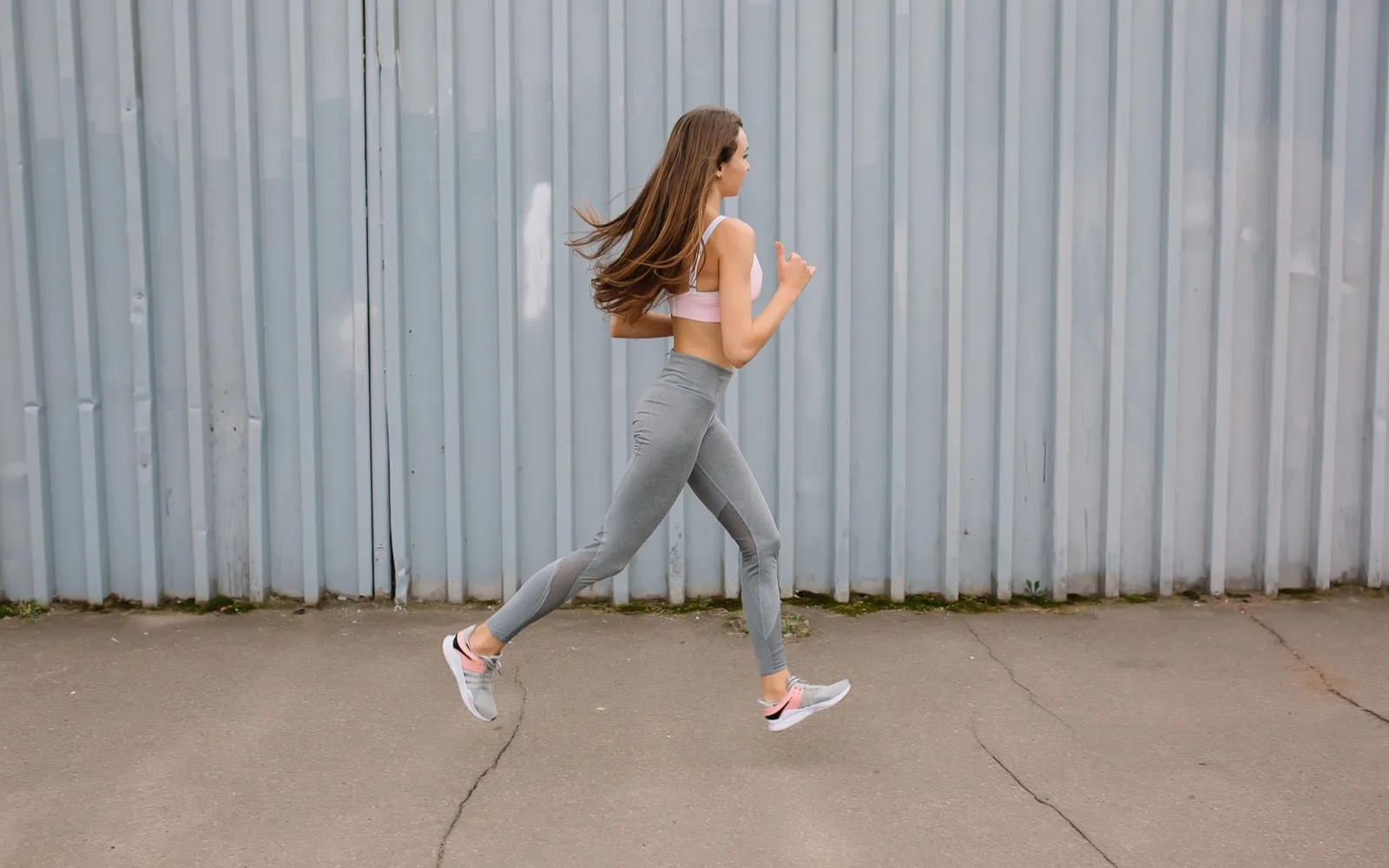
Running brings repeated movement, more potential for sweat and a greater chance of friction. Many runners prefer a lightweight top and shorts, leggings or running trousers that stay in place. Close-fitting and relaxed options can both work when they do not slip, bunch or chafe.
Some moisture-managing materials can move perspiration across or away from the skin, but fabric construction, fit and finishing all affect how a garment behaves. Do not assume that every synthetic fabric—or every product labelled activewear—offers the same performance.
Running shoes should suit your feet and surface. A properly fitted sports bra can also make a significant difference to comfort. In strong heat, humidity or poor air quality, clothing is only one consideration: adjust the time, location or intensity, use appropriate sun protection and follow current health guidance.
Lifting weights: movement and equipment safety
Squats, hinges, presses and rows ask more from clothing than standing in front of a mirror. A top should let you raise and rotate your arms. Trousers or shorts need enough room through the hips and knees, with a waistband that remains secure as you move between standing, bending and floor exercises.
Keep cords and dangling details away from moving equipment. Footwear should provide grip and stability suited to the exercise; some lifting movements may benefit from a firmer, more stable shoe than a soft running trainer. If you are unsure, ask a qualified trainer for guidance specific to the movement.
Yoga, stretching and mobility: check every position
A slow session is not necessarily an easy one. Yoga, Pilates and mobility work may involve deep stretches, balance and time on the floor. Flexible fabric and a comfortable waistband can help, but coverage and security matter as much as stretch.
If you prefer relaxed clothing, test how it behaves when you bend forward or move between positions. Follow the instructor or venue guidance for footwear, bare feet or grip socks.
Fabric language without the marketing fog
Breathability describes how air and moisture vapour move through a fabric. Moisture-wicking refers to liquid perspiration spreading across or away from the skin. Stretch lets fabric extend with movement, while quick-drying describes how readily it releases moisture. These properties are not interchangeable.
Read the actual product information rather than assuming a garment has every technical feature. Composition, construction, fit, care and intended activity all belong in the decision. Our clothing-quality guide covers the wider online buying checks; this article stays focused on matching the outfit to the workout.
Does workout clothing need to be tight?
No. Proper fit and tight fit are not the same thing. A close cut can reduce excess fabric during some activities, while a relaxed shape may feel better for walking or strength work when it remains secure and clear of equipment.
Coverage, silhouette and personal style are valid considerations. The practical test is whether the garment stays in place, lets you move and suits the activity. Nobody should feel required to dress a certain way to belong in a gym.
Build around the workouts you actually do
You do not need a separate wardrobe for every activity. Begin with a few combinations that work for your most frequent sessions, then add specialist pieces only when your routine shows you a genuine need.
Performance Heritage is built around movement that crosses training, travel and everyday life. Choose versatility where it makes sense and activity-specific details where they matter. The best workout outfit is the one that lets you stop thinking about it once the session begins.
Frequently asked questions
- What is the best fabric for workout clothes?
- There is no single best fabric for every workout. Consider skin comfort, breathability, moisture management, stretch, weather and the amount of repeated movement involved.
- Can I wear cotton to the gym?
- Cotton can feel comfortable for lighter activity, although it commonly retains perspiration and may feel heavier during a sweaty session. Choose for the intensity and your own comfort.
- Do cardio and weight training require different clothes?
- Not always. Many garments can work for both, but repeated movement, sweat, equipment safety, stability and range of motion may change what feels most practical.