Fit & Movement · 11 min read
How to Choose Women's Workout Tops for Walking, Gym and Everyday Movement
The top that feels comfortable at the start of your workout should still feel right once you're moving. Here's how to choose women's activewear for the way you actually exercise.
It's a pleasant morning, and you've decided to go for a walk before the day gets busy.
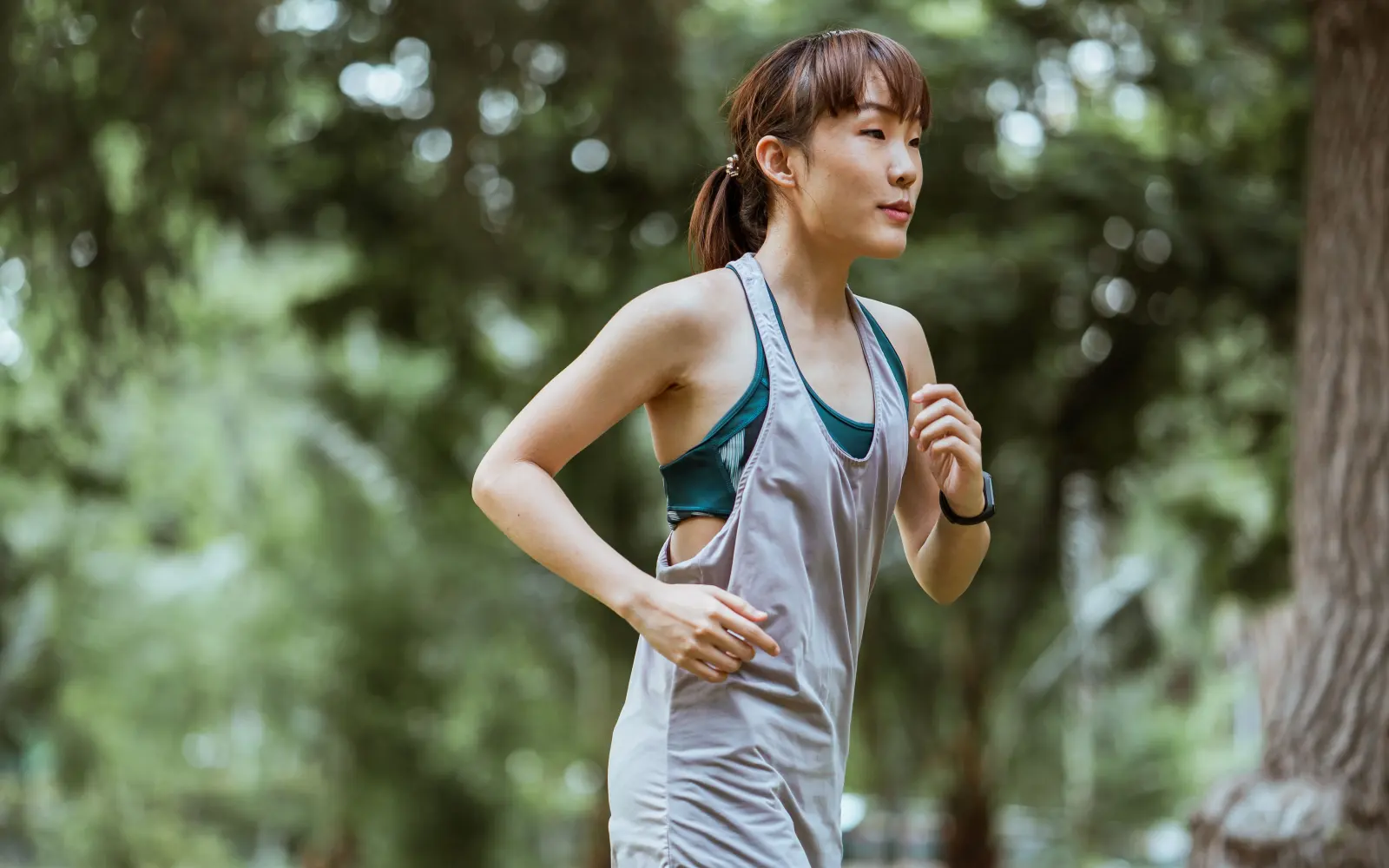
You pull on your usual T-shirt, grab your trainers and head outside. Everything feels fine for the first few minutes, but as you pick up the pace, the fabric starts clinging to your back. The sleeves feel restrictive, and you find yourself adjusting the hem.
Nothing about your routine has changed. Your clothing simply isn't working as comfortably as you'd hoped.
It's a familiar experience, especially when you're becoming more active and haven't given much thought to what you're wearing.
Choosing women's workout tops doesn't need to involve complicated technical specifications. A few practical decisions about fabric, fit and movement can make it easier to find something you'll enjoy wearing.
And the best place to start is with your routine.
Your morning walk: comfort comes first
For a gentle neighbourhood walk, you may already have a T-shirt that works perfectly well.
There's no requirement to wear specialist fitness clothing for every activity. If your top feels comfortable, allows you to move freely and suits the weather, that may be all you need.
Things can feel different when your walk becomes longer or more energetic.
The fabric may begin to feel damp, the neckline might rub, or a loose hem may move around more than expected.
When choosing a top for regular walking, think about how it feels after you've been moving for a while, not just when you first put it on.
A comfortable shoulder fit, suitable sleeve length and fabric that feels pleasant against your skin are sensible starting points.
For women who prefer additional coverage, longer workout T-shirts with relaxed proportions can be practical, provided the design doesn't restrict movement.
The right choice is the one that supports your activity and personal comfort.
When the pace increases, fabric behaves differently
Now imagine that your morning walk turns into a short run.
You're moving faster, generating more heat and beginning to perspire.
A fabric that felt comfortable during a slow walk may now feel heavier or take longer to dry.
This is one reason women's running tops and other activity-focused garments often use different materials from ordinary casual T-shirts.
Polyester is commonly used in activewear because it can be made into fabrics with a range of weights, textures and moisture-handling characteristics.
Some garments include elastane to provide additional stretch and recovery.
Cotton can feel soft and comfortable, particularly during lighter activity, but certain cotton fabrics absorb and retain moisture in ways that may become less pleasant during sustained exercise.
It's important not to judge performance by the fibre name alone.
The way a fabric is constructed, finished and fitted to the body also influences how it behaves.
Look at the garment as a whole rather than assuming that one material or technical term guarantees comfort.
What breathable really means during exercise
Activewear descriptions often include words such as breathable, moisture-wicking and quick-drying.
They sound related because they all concern comfort during activity, but they describe different properties.
Breathability is associated with the movement of air and water vapour through a material. Moisture-wicking concerns the movement of liquid moisture through or along fabric, while drying behaviour refers to how quickly moisture leaves it under particular conditions.
A fabric can perform well in one area without being equally effective in another.
For example, a material that moves perspiration away from the skin doesn't necessarily provide the airflow you prefer during an outdoor workout.
We've explored these differences in our guide to breathable, moisture-wicking and quick-dry activewear.
If you're comparing breathable workout tops, consider the intensity of your activity, the weather and your personal comfort instead of relying entirely on a product description.
Technical features are useful when they address a real need.
At the gym, movement changes the fit
A top that works beautifully for walking may feel quite different when you're stretching, lifting your arms or doing floor exercises.
Think about an ordinary gym session.
You might reach overhead, bend forward, squat or move between different pieces of equipment.
During those movements, a top can pull across the shoulders, bunch around the waist or ride higher than expected.
This is where fit becomes more important than how the garment looks on a hanger.
When trying on women's gym tops, raise your arms, bend comfortably and notice how the neckline, sleeves and hem behave.
A fitted top may feel secure during movement, particularly when the fabric has suitable stretch. A relaxed design can be equally comfortable if its cut allows freedom of movement without excessive bunching.
Neither style suits every person or every activity.
Choose the fit and coverage that allow you to concentrate on exercising rather than adjusting your clothes.
Coverage is part of comfort too
Activewear doesn't have to follow one particular silhouette.
Some women prefer close-fitting tops, while others feel more comfortable in longer, relaxed designs.
A higher neckline, longer sleeves or additional body length may be important depending on personal preference, activity and the setting.
These details deserve attention when shopping for workout T-shirts for women.
A top might provide the coverage you want when standing still but feel different when bending or raising your arms.
Fabric opacity is another consideration, especially with lighter colours or materials that stretch during movement.
Check how the garment behaves in normal lighting and through the movements you expect to make.
Comfort includes feeling at ease in what you're wearing. There's no reason to overlook that simply because a particular activewear style is fashionable.
The details you notice halfway through a workout
By the middle of a gym session, small construction details can become surprisingly noticeable.
A seam may begin rubbing near the underarm. The neckline could feel too tight, or the hem may keep folding upwards.
These issues aren't always obvious during a quick fitting.
Seam placement, stitching, fabric stretch and garment proportions all contribute to how a top feels in motion.
For readers interested in the manufacturing decisions behind these details, MP Apparels & Garments explains how fabric selection, neckline construction, sizing and sample approval influence women's T-shirt manufacturing.
That article approaches clothing from a manufacturer's perspective, but the underlying considerations matter to anyone choosing what to wear.
When trying on a workout top, pay attention to the areas that move repeatedly or sit close to your skin.
A comfortable garment should accommodate those movements without unnecessary irritation.
Outdoors in Pakistan: the weather matters
Exercise conditions can change considerably depending on where and when you're active.
In Karachi, humidity can make even a relatively short outdoor session feel demanding. Other parts of Pakistan experience different combinations of heat, cooler mornings and seasonal weather.
A lightweight top may feel appealing in warm conditions, although low fabric weight doesn't automatically mean better airflow or moisture management.
The cut, fabric construction and level of activity all influence comfort.
If you're exercising outdoors, consider the time of day as well as what you're wearing.
During hot weather, choosing cooler hours, taking appropriate breaks and staying hydrated are more important than relying on any particular fabric technology.
Activewear can support comfort, but it doesn't eliminate the risks of exercising in excessive heat.
Your clothing should work with sensible decisions about the conditions.
After exercise: does the top still feel comfortable?
The workout is finished, but you may not be heading straight home.
Perhaps you're stopping for something on the way back or travelling across town.
This is another moment when fabric and fit can make a difference.
A damp garment may feel less comfortable once you stop moving, particularly when you enter an air-conditioned environment.
Faster-drying fabrics may be useful in some circumstances, although drying behaviour depends on the material and surrounding conditions.
If you're staying out after exercise, changing into a dry top may be more comfortable.
And if you're choosing a garment primarily for relaxed daily activities rather than training, you may prefer a different style altogether.
MPGEAR's guide to women's casual tops in Pakistan explores everyday fits, fabrics and outfit choices without the additional demands of a workout.
A top for ordinary casualwear and one for demanding exercise can share some qualities, but their priorities aren't always identical.
What happens after regular washing?
Workout tops often need frequent laundering, making care an important part of long-term comfort.
Washing can affect fabric texture, colour, stretch and garment shape over time.
Following the care label is a sensible way to reduce avoidable damage.
Pay particular attention to the instructions for synthetic blends, stretch fabrics and garments with specialist finishes.
After several washes, notice whether the neckline and sleeves still sit properly and whether the top continues to allow comfortable movement.
A garment that's pleasant to wear only when new may not be the most practical choice for a regular fitness routine.
Fabric quality, construction, use and care all influence durability. Price alone doesn't guarantee better results.
Choosing a top that suits your routine
When you're comparing women's activewear tops, think about the activities you enjoy most.
For regular walking, a comfortable fit and suitable fabric may be enough. Running can make moisture handling and seam comfort more noticeable, while gym training may place greater demands on stretch, coverage and freedom of movement.
If you prefer one top for several activities, prioritise the movements and conditions you encounter most often.
You may not need every technical feature advertised.
It helps to try the garment on, move naturally and consider how it will feel beyond the first few minutes.
A top that supports your routine is generally more useful than one chosen solely because it looks impressive in a photograph.
Frequently asked questions
- Which fabric is best for women's workout tops?
- There's no single best fabric for every activity. Polyester, blends, cotton and other materials may be suitable depending on the intensity of exercise, moisture handling, fit and personal preference.
- Can I wear an ordinary T-shirt to the gym?
- Yes. An ordinary T-shirt can work for many activities if it feels comfortable and allows appropriate movement. More demanding workouts may make activity-specific fabric and construction features useful.
- Should women's gym tops be loose or fitted?
- Both styles can work. Choose a fit that feels secure, provides your preferred coverage and allows you to move comfortably during your exercises.
- Are moisture-wicking tops the same as breathable tops?
- No. Moisture-wicking concerns liquid moisture movement, while breathability relates to air and water vapour passing through a fabric. The characteristics are related but distinct.
- Are longer workout tops suitable for running?
- They can be, provided the cut, fabric and length allow comfortable movement without excessive bunching or rubbing.
Make movement the priority
The best workout top for you depends on what you enjoy doing and how you feel when you're active.
A comfortable walking top may be all you need for a gentle morning routine. Running or gym training can bring different requirements, particularly around fabric behaviour, fit and freedom of movement.
Rather than choosing clothing simply because it's labelled performance wear, think about the moments when you'll actually use it.
At Performance Heritage, we believe active clothing should support everyday movement in a practical, comfortable way.
The aim is to spend less time thinking about what you're wearing and more time enjoying the activity.