Activewear Care · 10 min read
How to Wash Workout Clothes and Keep Them Fresh
Your workout doesn't end when you put your trainers away. What you do with your activewear afterwards can affect how it smells, feels and holds up over time.
You've finished your workout, changed into something comfortable and moved on with your day.
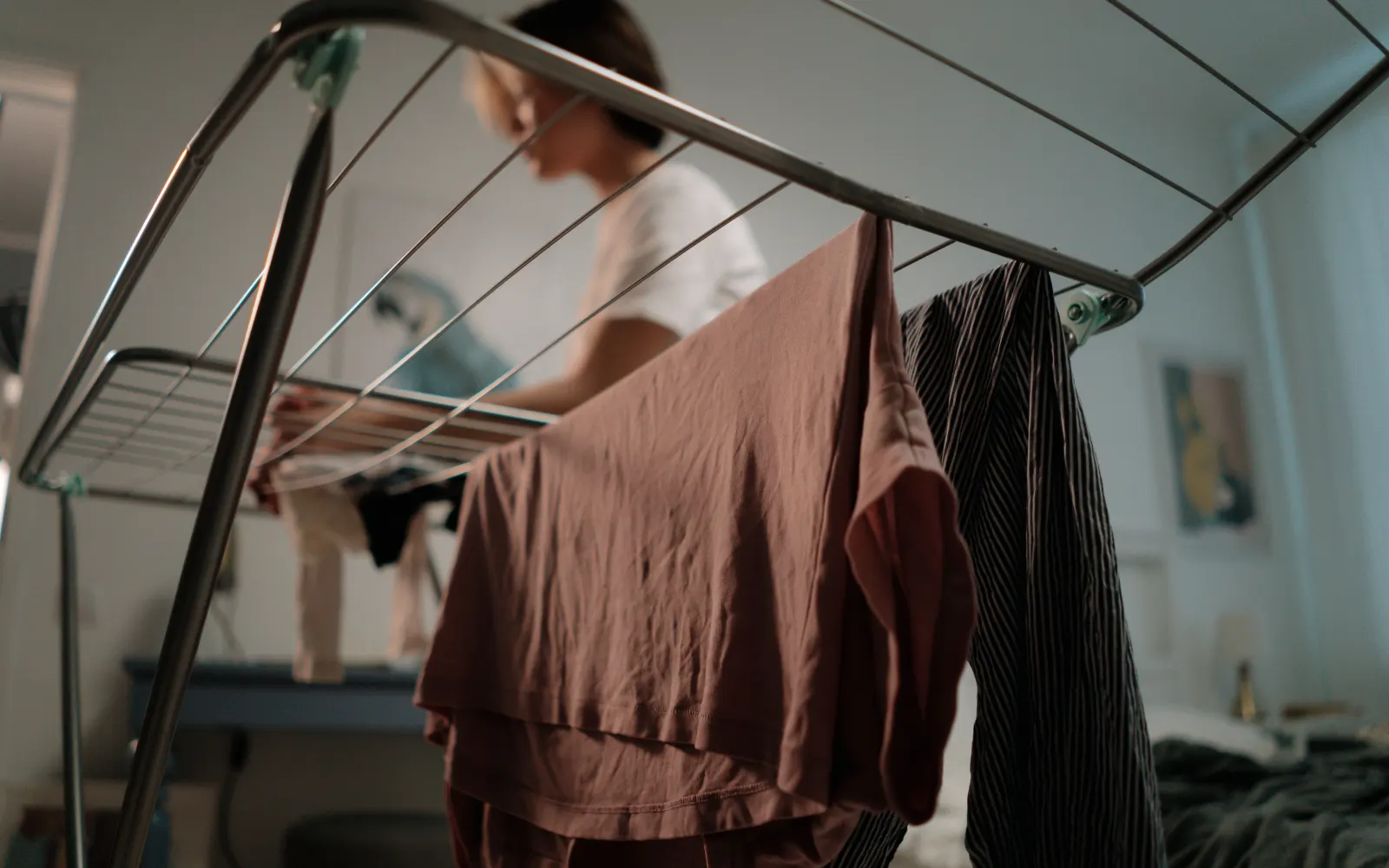
Your gym clothes, meanwhile, are sitting in a bag.
By the time you remember them, the T-shirt feels damp and the leggings have developed that familiar post-workout smell. Even after washing, some garments seem to hold on to odours that ordinary laundry doesn't.
If that sounds familiar, you're not alone.
Sweaty activewear can need a little more attention than an everyday cotton T-shirt. The fabrics, finishes and stretch components used in exercise clothing may respond differently to washing and drying.
Learning how to wash workout clothes properly isn't complicated, but the order in which you do things matters.
The first mistake happens before laundry day
After a workout, it's tempting to leave everything in your gym bag until you have enough clothes for a full wash.
That may be convenient, but storing damp clothing in a closed bag can encourage unpleasant odours.
Perspiration itself contains water, salts and other substances. Once moisture and body oils remain in the fabric, microorganisms and accumulated residues can contribute to lingering smells.
A better habit is to remove worn activewear from the bag when you get home.
If you can't wash it immediately, allow it to air out and dry in a suitable, ventilated place. Keep it separate from clean clothes.
This is particularly useful during Karachi's humid weather, when damp fabrics may take longer to dry.
You don't need a complicated routine after every workout. Simply avoiding a forgotten pile of wet clothing is a worthwhile start.
Why do gym clothes still smell after washing?
Sometimes you wash your workout clothes, dry them and think everything is fine.
Then you put them on for another session, start perspiring and notice the smell returning.
Several things may contribute.
Body oils and other residues can remain in fabric. Some synthetic materials also retain oily substances differently from cotton, which can make certain odours harder to remove.
An overloaded washing machine, unsuitable wash settings or inadequate rinsing may leave clothes less clean than expected.
Start by checking the garment's care label. Then consider whether you're using a suitable detergent and allowing the laundry enough room to move during the wash.
Heavily worn clothing may need treatment appropriate to the fabric and care instructions.
More detergent isn't automatically the answer. Excess product can be difficult to rinse away, particularly if the washing machine is overloaded.
If odours persist despite proper cleaning, review the garment's care requirements and the detergent you're using rather than immediately increasing the temperature.
Higher heat may damage fabrics that aren't designed for it.
Check the label before choosing a wash cycle
Women's gym leggings, men's running shorts and lightweight workout tops don't necessarily share the same care requirements.
Some garments contain elastane. Others may have delicate finishes, printed designs or construction details that need particular treatment.
The care label is therefore more useful than a universal washing rule.
The temperature shown inside a washtub symbol indicates the maximum permitted temperature for that garment. A line beneath the symbol signals a milder process.
The drying symbols matter too, particularly when heat-sensitive fibres or stretch components are present.
If a care label specifies a gentle wash at a particular temperature, follow it.
A cooler wash may be appropriate for many activewear garments, but it isn't automatically the correct method for every product or every type of soiling.
The safest approach is to match the garment's instructions with the level of cleaning needed.
The fabric-softener question
Fabric softener can make ordinary laundry feel pleasant, but it isn't always a good choice for performance clothing.
Some softening products leave deposits on fabric surfaces. Depending on the material and finish, these deposits may interfere with moisture-handling properties.
Stretch fabrics can also have care requirements that make certain laundry additives unsuitable.
Check the label before using softener or dryer sheets.
For technical sportswear, avoiding fabric softener is often the sensible option unless the manufacturer advises otherwise.
The point isn't that every softener instantly damages every garment. It's that products designed to leave a coating may work against the characteristics you're trying to preserve.
If you're unsure, follow the garment manufacturer's instructions and select a suitable detergent without unnecessary additives.
Wash leggings and stretch fabrics with care
Workout leggings experience repeated stretching, bending and friction.
That's part of their job.
But the same qualities that make them comfortable during movement can require attention during laundering.
Before washing, check for zips, hooks or other items that might snag the fabric. Fasten closures where appropriate.
Turning leggings inside out may help limit abrasion to the visible surface.
Wash them with compatible garments and follow the recommended cycle. Avoid combining delicate stretch fabrics with rough items that could cause unnecessary friction.
A suitable mesh laundry bag may also be useful for certain delicate pieces.
Don't pull or twist wet leggings aggressively. Their shape and recovery depend on the fabric and construction, and unnecessary handling can place extra strain on them.
When cared for appropriately, a well-suited pair can remain comfortable through repeated use, although every garment eventually experiences wear.
Drying without unnecessary heat
Your workout clothes are clean. Now they need to dry.
This stage deserves as much attention as the washing itself.
High heat can affect certain synthetic fibres, stretch components, prints and finishes. That's one reason many activewear care labels specify particular drying conditions.
Where the label permits, air drying can be a practical option.
Place garments in a well-ventilated area and allow them to dry thoroughly before storing them.
If tumble drying is permitted, use the specified setting. Don't assume that every technical garment can tolerate the same heat.
In Pakistan, outdoor drying is common, but strong sunlight can affect the appearance of some fabrics over time.
Where suitable, a shaded, ventilated place may be preferable for colour-sensitive activewear.
During humid weather, adequate airflow becomes especially important.
Putting away clothing before it's fully dry can contribute to unpleasant smells, even after a successful wash.
When moisture-wicking clothing needs attention
Performance fabrics are often described as breathable, moisture-wicking or quick-drying.
Those terms sound similar, but they don't refer to the same behaviour.
Breathability concerns the movement of air and water vapour, while moisture-wicking relates to liquid moisture moving through or along a fabric. Drying speed is another characteristic.
This distinction matters when caring for activewear because different fabrics and finishes may respond differently to detergents, additives and heat.
If you'd like to understand those properties before choosing or caring for a garment, our guide to breathable, moisture-wicking and quick-dry activewear explains the differences.
For laundry purposes, there's no need to become a textile specialist.
Read the instructions, use a suitable cleaning method and avoid treatments known to be incompatible with the garment.
When it's an everyday T-shirt rather than sportswear
Not every top worn during activity is made from technical fabric.
You might walk in a familiar cotton T-shirt or wear a simple casual top during light exercise.
Its care instructions may differ from those for a polyester running shirt or stretch training top.
That's why separating garments by their requirements is more useful than placing every T-shirt into the same laundry category.
If you're looking after everyday cotton clothing, MPGEAR's guide to washing T-shirts without fading, shrinking or losing their shape covers the practical basics.
Workout clothing deserves a slightly different discussion because frequent perspiration, stretch and activity-specific fabric properties may affect how it should be cleaned.
The distinction is about the garment and its purpose, not simply the label sportswear.
Some problems start before the first wash
You can follow every care instruction and still encounter disappointing fabric behaviour.
A colour may change more than expected. A garment might lose its intended dimensions, or the surface may develop noticeable pilling.
Washing and wear influence these changes, but the original fabric, finishing and construction also matter.
From the customer's perspective, that distinction is useful.
If several garments are treated similarly but one repeatedly changes shape or appearance, the difference may not be explained by your laundry habits alone.
Care helps protect clothing, but it cannot correct every underlying material or manufacturing issue.
A routine that fits into a normal week
You don't need to spend half your evening thinking about laundry.
A sensible activewear-care routine can be built around a few everyday habits:
| Stage | What to do |
|---|---|
| After exercise | Remove damp clothes from your bag and let them air out |
| Before washing | Check care labels and separate incompatible items |
| Detergent | Use a suitable product in the recommended quantity |
| Wash cycle | Follow the permitted temperature and wash intensity |
| Fabric softener | Avoid where the garment's care requirements advise against it |
| Stretch garments | Protect delicate fabrics from unnecessary friction and pulling |
| Drying | Use the permitted method and allow clothes to dry fully |
| Storage | Put away clean, completely dry clothing |
The routine should suit your clothes, your washing equipment and the way you exercise.
If a garment has unusual care requirements, those instructions take priority over general advice.
Questions people often ask
- How often should workout clothes be washed?
- Clothing worn during sweaty workouts generally benefits from cleaning after use. The appropriate method depends on the garment and its care instructions.
- Why do polyester gym clothes sometimes smell even after washing?
- Oils, residues, inadequate washing or persistent odour-causing substances may contribute. The fabric's structure and surface characteristics can also affect how residues are retained.
- Can I use fabric softener on workout clothes?
- Check the label. Fabric softener is often discouraged for technical activewear because residues can interfere with certain fabric properties.
- Should I wash gym clothes in cold water?
- Many garments can be washed at cooler temperatures, but the correct setting depends on the care label, fabric and cleaning needs. Don't assume one temperature works for everything.
- Can workout leggings go in the tumble dryer?
- Only when their care instructions permit it. Excessive heat may affect elastic components or other heat-sensitive materials.
- How do I stop gym clothes smelling in my bag?
- Remove damp clothes promptly after exercise. If washing isn't immediately possible, let them air out in a suitable place instead of leaving them sealed in a bag.
Ready for the next session
Caring for workout clothes isn't about keeping every garment looking brand new indefinitely.
It's about avoiding unnecessary damage, dealing with perspiration and choosing washing and drying methods that suit the fabric.
A little attention after exercise can make laundry easier and help keep your clothing comfortable for the next session.
At Performance Heritage, we believe activewear should support the routines people actually enjoy, whether that's an evening walk, a morning run or regular gym training.
The better you understand your clothes, the easier it becomes to look after them.