Movement & Activewear · 6 min read
What to Wear Before, During and After Outdoor Exercise in Cooler Weather
The outfit that feels comfortable before a walk or run may feel too warm once you get moving—and unexpectedly cool after you stop. That change is normal: movement generates heat, while rest, wind and damp clothing can affect how comfortable you feel. A practical clothing plan anticipates all three stages instead of treating outdoor exercise as one unchanging condition.
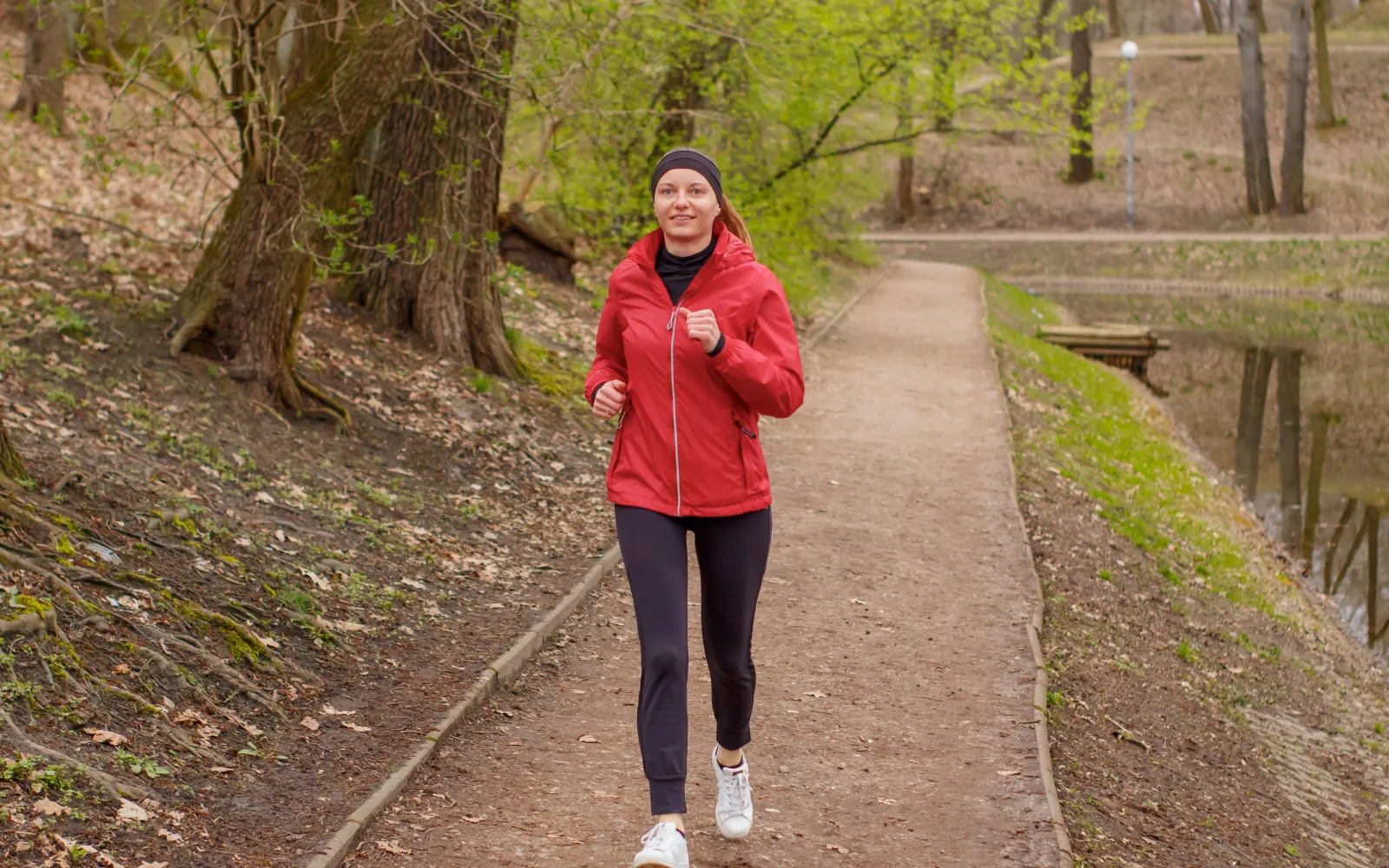
Before you start: dress for the conditions and the activity
Check the local weather, including wind and the chance of rain. The right choice for a relaxed 20-minute walk is not necessarily right for a longer run or a stop-start training session. If you expect cool conditions while waiting to begin, choose a layer that can be removed or opened as you warm up.
Comfort also depends on personal preference and how intensely you plan to exercise. It is better to make modest adjustments based on your own experience than to follow a rigid clothing rule based on temperature alone.
During movement: make adjustments possible
As your body warms, heavy or restrictive layers may become uncomfortable. A lightweight zip layer or removable outer garment can provide flexibility. Choose clothes that allow easy arm and shoulder movement and do not chafe during repeated steps or stretches.
Moisture management is relevant, but no fabric keeps every wearer dry in all conditions. Consider how an item behaves during your particular activity, how quickly it feels damp, and how comfortable it remains. Pay attention to seams, waistbands and fabric movement. Test a new outfit on a shorter session before relying on it for a long outing.
If you use a bag or accessible storage, give yourself somewhere secure to keep a removed layer. An inconvenient garment often stays on longer than it should simply because there is nowhere to put it.
After movement: plan for the stop
When you slow down, you may no longer generate the same amount of heat. In breezy or cool weather, putting a dry outer layer back on may improve comfort. If your clothes are noticeably damp and you will be outside for a long period, changing into dry clothing can be helpful when practical.
Think about what happens after the session. Will you travel home, stop at a café or wait for transport? The clothing you carry for that interval can be as important as the outfit you wore while exercising.
Three practical situations
Early-morning walking
An easy walk may not create much warmth immediately. Start with clothing suitable for the actual morning temperature, then adjust as you settle into your pace. In Karachi, an autumn morning can differ greatly from an Islamabad morning; neither should be treated as identical to a cold northern-hills outing.
Running or higher-intensity activity
If you expect to warm up quickly, avoid clothing that constrains movement or becomes unpleasant when you sweat. Removable layers can help you transition between waiting, running and cooling down. Consider visibility and route safety if you train in low light; appropriate reflective details and well-lit routes matter regardless of the season.
Outdoor training with rest intervals
Exercise sessions involving breaks may require more frequent adjustments. Keep an easy-to-wear layer nearby, particularly if your session involves coaching, waiting or standing between sets. Your outfit should make movement comfortable without ignoring time spent still.
Fit and garment construction count
The best layering plan can fail if one sleeve bunches inside another or the outer garment restricts shoulder movement. MP Apparels & Garments explains why clothes feel bulky when layered through garment ease, fabric structure and construction.
People who are dressing for a full day, not only a workout, can also consult MPGEAR’s guide to what to wear when the weather changes throughout the day in Pakistan. It focuses on ordinary routines, commuting and adaptable outfits rather than exercise itself.
Do you need to buy special clothing?
Not necessarily. Start with what you already own and test whether it gives you comfortable movement, appropriate coverage and practical adaptability. If you identify a specific gap, compare fit, care instructions and real product specifications. Do not assume an item performs better simply because its marketing uses words such as “technical” or “performance”.
Performance Heritage is developing an editorial identity around movement and athletic style. This article does not claim that particular products are in stock or provide medical guidance. If you have a health concern that affects exercise or temperature tolerance, consult an appropriate healthcare professional before making major changes to your routine.
The takeaway
Plan your clothing for three moments: the start, the activity and the journey home. Check your local conditions, favour layers you can adjust easily, and test whether your garments move together comfortably. A thoughtful outfit makes it easier to focus on the activity rather than constantly fixing your clothes.